
Controllers
Application Control Environment (ACE)
Application Control Environment runs Honeywell's Control Execution Environment on a server-grade computer for supervisory control and integration.
Application Control Environment runs Honeywell's Control Execution Environment on a server-grade computer for supervisory control and integration. It can connect with legacy Honeywell or third-party systems, including OPC data sources, and execute custom algorithms within control strategies. The node provides a consistent application environment for organizations needing control functionality across a mixed installed-system landscape.
Features & Benefits
- Execution
- CEE on a server-grade computer
- Integration
- LCN and OPC data-access options
- Supports reusable control strategies across connected systems
Applications
- Supervisory control
- Third-party control-system integration
Detailed capabilities
Product and configuration
Application Control Environment runs Honeywell's Control Execution Environment on a server-grade computer for supervisory control and integration. It can connect with legacy Honeywell or third-party systems, including OPC data sources, and execute custom algorithms within control strategies. The node provides a consistent application environment for organizations needing control functionality across a mixed installed-system landscape.
- Execution: CEE on a server-grade computer
- Integration: LCN and OPC data-access options
Operation and integration
ACE runs the deterministic Control Execution Environment on a server-grade node. Its standard function blocks and custom algorithms combine control logic, acquisition and calculations. Interfaces can bring in TPS/LCN information, third-party OPC Data Access and data from MES, ERP, databases or files.
Application and selection
This creates a supervisory-control and integration point for information spread across different systems. Sharing CEE concepts with other Experion controllers reduces engineering differences while allowing application-specific algorithms and replicated strategies.
Others
- Maximum Recovery Time for Advanced Apps
- 60 sec
- Maximum CDA Parameters per ICG Server
- 12000
- Maximum Processing Units (PU/sec)
- 100000
- Maximum Display Subscription Rate
- 2000 PPS
- Maximum ACEs per Server Cluster
- 8 (including 1 standby for cutover)
- Maximum Subscribed Parameters
- 6000
- Maximum Parameter Access Rate
- 3000 PPS (2000 Display, 1000 Peer)
- Peer Connection Units (PCUs)
- 30
- Maximum Configurable Modules
- 4095
- Supported Execution Periods
- 1 to 24 hr; 1 to 40 sec; 500 ms; NO PERIOD
- Maximum Control Freeze Time
- 20 sec
- Peer-to-Peer Subscriptions
- 1700 (Outgoing); 3000 (Incoming)
- Maximum ACEs on ControlNet
- 2
- Maximum Cutover Duration
- 60 min
- Maximum CDA Receive Rate
- 2500 PPS
- Component Blocks per SCM
- 400
- Minimum Reserved Memory
- 6 MB
- ICG Servers per Cluster
- 7
- Component Blocks per CM
- 100
- Serial Modbus Devices
- 480
- Maximum Cycle Loading
- 0.6
- Execution Environment
- Honeywell’s Control Execution Environment (CEE)
- Base Execution Period
- 500 ms
- Whole Array Transfer
- 25 Initiator/Responder References; 8K bytes
- OPC Gateways per ACE
- 15
- CPU Free Requirement
- 40% (Monitored via Windows Task Manager)
- PCDI Request Blocks
- 64 per Master Block
- OPC Clients per ACE
- 20
- Parallel SCM Paths
- 15
- Modbus TCP Devices
- 30
- Maximum CEE Memory
- 131,072 MU (1 MU = 1 KB)
- Peer Update Rates
- 500 ms, 1 to 10 sec
- Platform
- Server-Grade PC (Windows Server 2022)
| Parameter | Published value / configuration |
|---|---|
| Maximum Recovery Time for Advanced Apps | 60 sec |
| Maximum CDA Parameters per ICG Server | 12000 |
| Maximum Processing Units (PU/sec) | 100000 |
| Maximum Display Subscription Rate | 2000 PPS |
| Maximum ACEs per Server Cluster | 8 (including 1 standby for cutover) |
| Maximum Subscribed Parameters | 6000 |
| Maximum Parameter Access Rate | 3000 PPS (2000 Display, 1000 Peer) |
| Peer Connection Units (PCUs) | 30 |
| Maximum Configurable Modules | 4095 |
| Supported Execution Periods | 1 to 24 hr; 1 to 40 sec; 500 ms; NO PERIOD |
| Maximum Control Freeze Time | 20 sec |
| Peer-to-Peer Subscriptions | 1700 (Outgoing); 3000 (Incoming) |
| Maximum ACEs on ControlNet | 2 |
| Maximum Cutover Duration | 60 min |
| Maximum CDA Receive Rate | 2500 PPS |
| Component Blocks per SCM | 400 |
| Minimum Reserved Memory | 6 MB |
| ICG Servers per Cluster | 7 |
| Component Blocks per CM | 100 |
| Serial Modbus Devices | 480 |
| Maximum Cycle Loading | 0.6 |
| Execution Environment | Honeywell’s Control Execution Environment (CEE) |
| Base Execution Period | 500 ms |
| Whole Array Transfer | 25 Initiator/Responder References; 8K bytes |
| OPC Gateways per ACE | 15 |
| CPU Free Requirement | 40% (Monitored via Windows Task Manager) |
| PCDI Request Blocks | 64 per Master Block |
| OPC Clients per ACE | 20 |
| Parallel SCM Paths | 15 |
| Modbus TCP Devices | 30 |
| Maximum CEE Memory | 131,072 MU (1 MU = 1 KB) |
| Peer Update Rates | 500 ms, 1 to 10 sec |
| Platform | Server-Grade PC (Windows Server 2022) |
Values retain manufacturer model qualifications. Review Honeywell specifications ↗
Manufacturer sources
Last source check: 2026-11-02
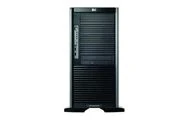
Application Control Environment (ACE) Image · Manufacturer ownership retained; republication licence not independently confirmed
ABID Automation LTD maintains this independent product reference. Honeywell owns its product names and trademarks. Current manufacturer documentation governs specification, availability and certification.
Your next project. A clear starting point.
Tell us about your facility and what you need to achieve.